
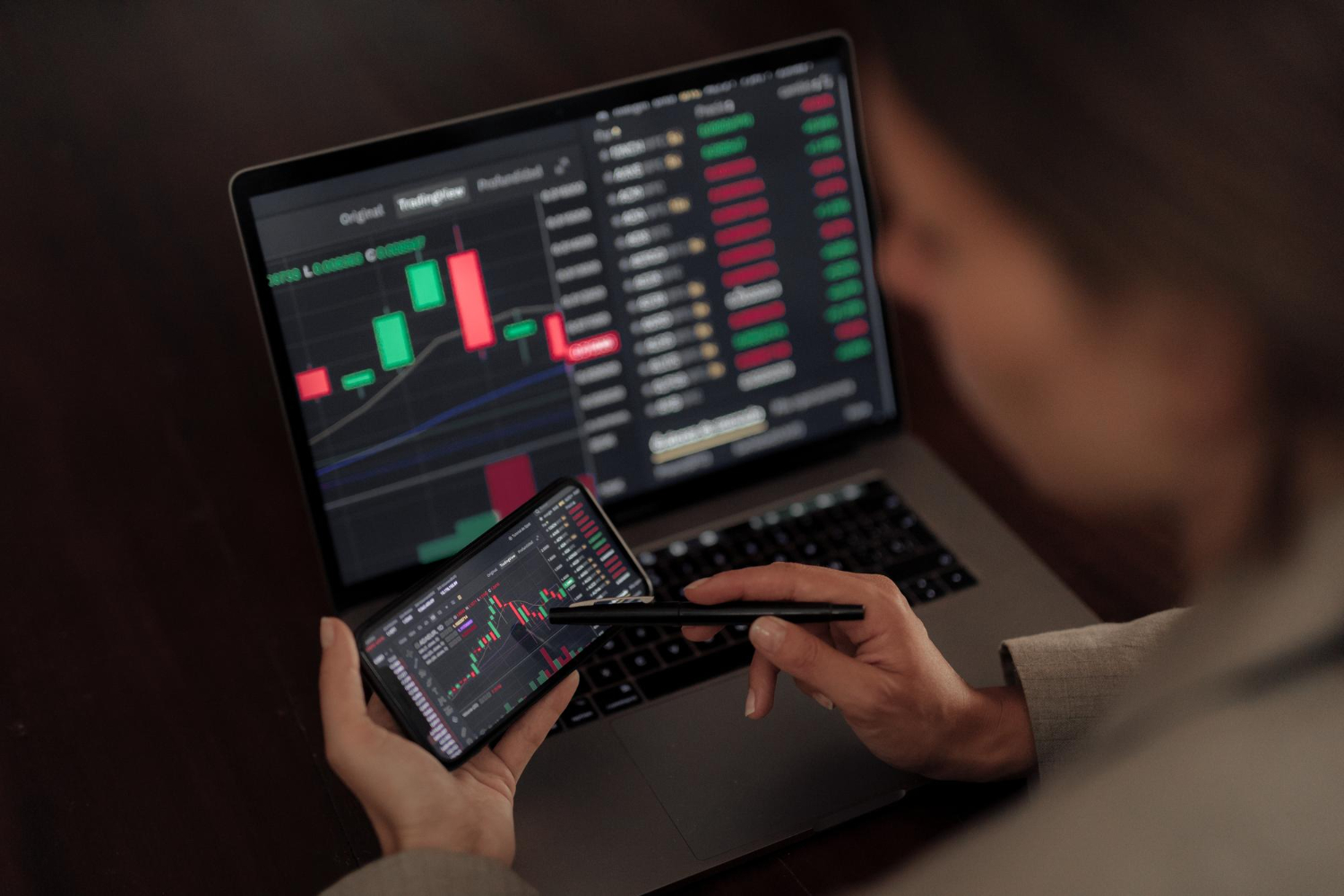
In the dynamic realm of Forex trading, the selection of an appropriate platform is essential for achieving success. Given the multitude of options available, understanding the features each platform provides can significantly influence the overall trading experience. This overview addresses Forex trading platforms, highlighting key features to consider, as well as a comparison of popular platforms utilized by South African traders.
Overview of Forex Trading Platforms
Forex trading platforms are critical instruments that enable the buying and selling of currency pairs within the dynamic Forex market. These platforms offer traders a range of features and functionalities, which facilitate the execution of trades, the analysis of market data, and the efficient management of their accounts.
In South Africa, numerous forex brokers provide various trading platforms, each with distinct strengths and weaknesses. For traders aiming to enhance their trading experience and improve their performance, it is essential to comprehend the offerings of these platforms.
Furthermore, a comprehensive comparison of the platforms can provide valuable insights into trading fees, user interfaces, and the range of available trading instruments.
What are Forex Trading Platforms?
Forex trading platforms are sophisticated software applications that enable traders to access the foreign exchange market and execute trades involving various currency pairs. They function as the primary interface between traders and the Forex market, providing essential functionalities such as real-time price quotes, trade execution capabilities, and market analysis tools.
These platforms are designed for use across multiple devices, ensuring flexibility and accessibility for traders. Many platforms offer demo accounts, which allow users to practice trading strategies without risking real capital and to become acquainted with the platform’s features.
A notable feature of these platforms is their execution speed, which is critical for securing optimal prices in a rapidly changing market. Traders can take advantage of various order types, including market, limit, and stop orders, thereby enabling them to tailor their trading strategies in accordance with prevailing market conditions.
Mastering the navigation of these functionalities significantly enhances the overall trading experience, giving the power toing both novice and experienced traders to make informed decisions. The availability of demo accounts is particularly beneficial for beginners, as it provides them with the opportunity to hone their skills in a simulated environment, ultimately increasing their confidence when they transition to live trading.
Key Features to Consider when Choosing a Platform
When selecting a trading platform for Forex trading, it is imperative to consider several key features to ensure that the platform meets the needs of both novice and experienced traders.
The user interface is of critical importance, as a well-designed platform enhances the trading experience by facilitating intuitive and straightforward navigation.
Furthermore, traders should assess the availability of trading tools and indicators that aid in technical and market analysis.
Security features are essential for safeguarding personal and financial information, while aspects such as leverage, spreads, and commissions can significantly affect overall trading costs and profitability.
Lastly, mobile compatibility is crucial for traders who wish to manage their portfolios while on the move.
User Interface and Customization Options
The user interface of a trading platform is a critical component that directly impacts the overall user experience and trading efficiency. A well-designed interface facilitates seamless navigation, enabling traders to swiftly access essential features.
Customization options, such as layout adjustments, chart configurations, and the ability to save preferred settings, significantly enhance the platform’s usability. Traders should prioritize platforms that provide an intuitive user interface coupled with robust customization features, thereby allowing them to tailor their trading environment to their specific preferences and strategies.
This level of personalization gives the power tos traders to optimize their workflows, which is vital in the fast-paced trading landscape where every second is significant. A streamlined interface reduces cognitive load, enabling users to concentrate on making informed decisions rather than grappling with layout complications.
When traders can adapt elements to align with their trading style, it fosters comfort and builds confidence.
In summary, the combination of a user-friendly design and customizable options creates an environment conducive to trader success, maximizing both potential and profits while minimizing errors that may result from a convoluted setup.
Trading Tools and Indicators
Trading tools and indicators are essential components of any Forex trading platform, furnishing traders with the necessary resources to conduct market analysis effectively.
These tools encompass a diverse array of resources, including moving averages, relative strength indices, and Fibonacci retracements, all of which are crucial for the execution of successful trading strategies. The integration of these instruments allows individuals to interpret price trends and market sentiment, thereby forming a comprehensive perspective on potential market movements.
Moreover, the utilization of backtesting features provided by numerous platforms can enhance a trader’s ability to refine their strategies prior to implementation in a live market.
By leveraging real-time data and customizable dashboards, traders are optimally equipped to make analytical decisions that can significantly improve their trading performance and profitability.
Mobile Compatibility
Mobile compatibility has become an essential feature for Forex trading platforms, as it provides traders with the flexibility to manage their accounts and execute trades while on the move.
A mobile trading platform must deliver a seamless user experience, ensuring that all critical tools and functionalities are easily accessible from mobile devices. This level of accessibility enables traders to monitor their positions, analyze market movements, and respond to trading opportunities at any time and from any location.
As mobile trading continues to gain traction, platforms that prioritize mobile compatibility can significantly enhance user satisfaction and engagement.
In the fast-paced financial markets of today, the capability to trade through efficient mobile applications has fundamentally changed how traders conduct their operations. Features such as real-time quotes, interactive charts, and instant notifications give the power to users to make informed decisions quickly.
The convenience of mobile trading removes geographical constraints, allowing users to access global markets while commuting or traveling. Furthermore, enhanced security measures, including biometric login and two-factor authentication, provide users with confidence that their data remains secure.
Therefore, a trading platform that fully integrates mobile technology not only increases accessibility but also encourages a more engaged and proactive trading community.
Customer Support and Education Resources
Exceptional customer support and comprehensive educational resources are essential components that enhance the overall experience on trading platforms. Traders frequently face questions or challenges throughout their trading journey, making responsive customer support critical for the prompt resolution of issues.
Educational materials, including webinars, tutorials, and articles, play a significant role in helping traders develop their skills and understanding of the Forex market. A platform that effectively integrates superior customer support with robust educational offerings can substantially improve user experience and cultivate a more engaged trading community.
When traders feel adequately supported, they are more inclined to engage meaningfully with the platform, which can result in increased trading activity and overall satisfaction. Effective customer service serves to mitigate frustration, assisting users in navigating technical issues or understanding platform features.
Informative content equips traders with knowledge regarding market trends, strategies, and risk management. As users acquire knowledge and develop their skills, their confidence in making informed decisions also increases, ultimately contributing to their success and retention on the trading platform.
In this dynamic landscape, the synergy between personalized assistance and educational opportunities fosters an environment that is conducive to trader development.
Comparison of Popular Forex Trading Platforms in South Africa
Comparing the popular Forex trading platforms offered by South African brokers is imperative for traders seeking to identify the most suitable option for their trading requirements. With a wide array of choices available, each platform presents distinct features, trading tools, and user experiences tailored to various trading styles and preferences.
A comprehensive broker comparison should encompass an evaluation of several critical factors, including trading fees, spreads, security features, and customer support. Additionally, user reviews and ratings serve as valuable resources, providing insights into the performance and reliability of these platforms, thereby assisting traders in making well-informed decisions.
MetaTrader 4
MetaTrader 4 (MT4) is recognized as one of the premier trading platforms in the Forex market, distinguished by its user-friendly interface and robust functionality. It offers traders a comprehensive suite of tools, including advanced charting capabilities, a variety of technical analysis indicators, and the capacity to automate trading strategies through Expert Advisors (EAs).
User evaluations consistently emphasize MT4’s reliability and flexibility, making it a preferred option for both novice and experienced traders. The extensive library of trading tools available on the platform enhances the trading experience and facilitates the effective implementation of diverse trading strategies.
Furthermore, MT4 is supported by a vibrant community of traders who actively share insights and trading strategies, thereby promoting collaboration and learning among users. The platform accommodates various order types and real-time market analysis, which significantly assists traders in making informed decisions.
Its compatibility with multiple devices ensures that users can trade effectively while on the move, aligning with the dynamic nature of the Forex market.
In summary, the combination of powerful features, user-centric design, and strong community support positions MetaTrader 4 as an essential tool in effective Forex trading, giving the power to traders to confidently pursue their financial objectives.
MetaTrader 5
MetaTrader 5 (MT5) is an advanced trading platform that offers enhanced features compared to its predecessor, MetaTrader 4. With additional charting tools, an increased number of technical indicators, and an expanded range of order types, MT5 effectively meets the needs of contemporary Forex traders.
The platform also supports automated trading through its MQL5 programming language, enabling users to develop custom indicators and trading algorithms. User experiences suggest that MT5 provides a more comprehensive trading environment, featuring improved functionalities for market analysis and trade execution.
Notably, the multi-asset capability of MT5 allows traders to access not only Forex but also stocks, commodities, and cryptocurrencies from a single platform, thereby increasing overall trading flexibility. Furthermore, its user-friendly interface simplifies navigation, allowing traders to manage their portfolios effectively and make informed decisions.
The built-in economic calendar keeps users informed of significant market events, thereby facilitating strategic planning. Additionally, MT5’s superior speed in trade execution and real-time data access ensures that traders can respond swiftly to market changes, a critical factor in the fast-paced trading environment.
cTrader
cTrader is a sophisticated trading platform distinguished by its intuitive user interface and advanced trading capabilities. It is designed to cater to the needs of both novice and professional traders, delivering a seamless trading experience with features such as one-click trading, an extensive array of technical indicators, and advanced charting options.
Furthermore, cTrader supports algorithmic trading through cAlgo, enabling users to automate their trading strategies effectively. User feedback consistently highlights cTrader’s speed and reliability, rendering it a preferred choice among Forex traders.
The platform’s sleek design not only facilitates ease of navigation but also enhances overall user satisfaction, simplifying the process for traders to engage with their strategies. Whether through the customizable interface or the responsive mobile application that enables trading on the go, cTrader accommodates various trading styles and preferences.
One of its notable features, the Market Depth tool, provides crucial insights into liquidity, thereby contributing to more knowledge-based decision making. This combination of functionality and user-centric design positions cTrader as an optimal solution for individuals seeking to enhance their trading potential and refine their market strategies.
ProTrader
ProTrader is an emerging trading platform that provides a comprehensive suite of features tailored to enhance the trading experience for Forex traders. With an emphasis on advanced trading tools, ProTrader enables users to conduct thorough market analysis and effectively implement various trading strategies.
The platform is recognized for its user-friendly interface, which facilitates seamless navigation and access to essential trading functionalities. User reviews indicate a growing popularity among traders who are seeking a holistic solution for Forex trading.
ProTrader offers customizable charts and real-time data feeds, equipping traders with the insights necessary for knowledge-based decision making. Additionally, integrated risk management tools give the power to users to minimize potential losses and optimize their returns.
Community features, including forums and webinars, foster collaboration among traders, allowing them to share strategies and stay informed about market trends. The positive feedback from users underscores ProTrader’s commitment to innovation and customer satisfaction, ensuring that traders at all levels derive significant value from its comprehensive offerings.
Factors to Consider when Choosing a Broker
Selecting the appropriate Forex broker is a crucial decision that can greatly influence trading success; therefore, several factors must be carefully evaluated prior to making a selection.
Regulation and safety are of utmost importance, as they ensure that the broker complies with industry standards and offers sufficient investor protection. Furthermore, trading fees, such as spreads and commissions, can vary significantly among brokers, impacting overall trading costs.
It is also essential for traders to assess the available account types, including minimum deposit requirements and withdrawal options, in order to identify the broker that best aligns with their trading needs. These considerations are fundamental to the development of an effective trading strategy.
Regulation and Safety
Regulation and safety are critical factors to consider when selecting a Forex broker, as they provide assurance that the broker operates within established guidelines and safeguards the interests of investors. Reputable Forex brokers are typically regulated by recognized financial authorities that enforce strict standards to uphold the integrity of trading practices.
Traders should verify that their selected broker possesses valid trading licenses and offers robust investor protection measures, as this significantly reduces the risk of fraud and enhances trust in the broker’s operations.
In an industry characterized by volatility and rapid changes, a well-regulated environment fosters trader confidence, enabling individuals to engage in trading with peace of mind, knowing that their funds are securely protected. This regulatory oversight not only mitigates the risks associated with unlicensed brokers but also contributes to overall market stability while promoting ethical trading practices.
The existence of transparent policies and clearly defined avenues for dispute resolution further underscores the importance of choosing a compliant broker.
Ultimately, by prioritizing regulation and safety, traders can cultivate a trading experience that is both secure and conducive to making informed financial decisions.
Trading Fees and Commissions
A comprehensive understanding of trading fees and commissions is essential for Forex traders, as these expenses directly influence profitability. Brokers typically impose costs through spreads, which represent the difference between the buying and selling prices of currency pairs, in addition to commissions on trades.
It is advisable for traders to conduct a thorough cost analysis of various brokers to identify those offering competitive trading fees and favorable terms. Reduced fees can enhance overall trading performance and facilitate a more efficient allocation of capital across different trading strategies.
Traders may also encounter additional costs, such as overnight financing fees, commonly referred to as swap fees, which can accumulate when positions are maintained for extended periods. Other potential expenses may include withdrawal fees and account maintenance charges, all of which can diminish profits.
Consequently, it is imperative for traders to meticulously compare brokers and their fee structures, ensuring they select options that align with their trading style and budgetary constraints. By making informed decisions regarding these costs, traders can substantially improve their profitability and enhance their prospects for long-term success in the competitive Forex market.
Account Types and Minimum Deposits
The types of accounts offered by Forex brokers can significantly impact a trader’s experience, particularly regarding trading flexibility and capital management. Various brokers may provide multiple account types, each with distinct minimum deposit requirements and withdrawal options. Understanding these differences is essential for traders, as it enables them to choose an account type that aligns with their financial capabilities and trading objectives.
This flexibility can enhance the overall trading experience and ensure that traders are adequately equipped to participate effectively in the Forex market.
By comparing the account types, traders can identify which broker offers the most favorable minimum deposit, thereby influencing their initial investment and overall strategy. For example, a lower minimum deposit may be advantageous for beginners seeking to experiment without exposing significant capital, whereas experienced traders may prefer accounts with higher minimums that provide additional benefits, such as lower spreads or enhanced leverage.
Additionally, examining withdrawal options is equally important; accessible and expedited withdrawals can improve cash flow management and enhance overall satisfaction with the trading experience. Therefore, evaluating these factors is fundamental for traders who aim to optimize their Forex trading journey.
Additional Services and Features
Plus basic trading functionalities, numerous Forex brokers provide a variety of supplementary services and features designed to enhance the overall trading experience. These offerings may include access to advanced trading tools, educational resources, and dedicated customer support.
Brokers that prioritize these additional services often afford traders a competitive advantage by enabling superior market analysis and execution. By carefully evaluating these supplemental offerings, traders can identify a broker that aligns not only with their trading requirements but also with their expectations for support and education.
The incorporation of performance analytics and personalized trading strategies can substantially assist traders in refining their methodologies and achieving their financial objectives. Such features promote a deeper understanding of market dynamics and risk management, both of which are vital for successful trading.
A broker’s commitment to ongoing education, through webinars and expert insights, give the power tos traders to effectively adapt to changing market conditions. Therefore, selecting a broker that emphasizes these additional services may ultimately lead to greater satisfaction and enhanced trading outcomes.